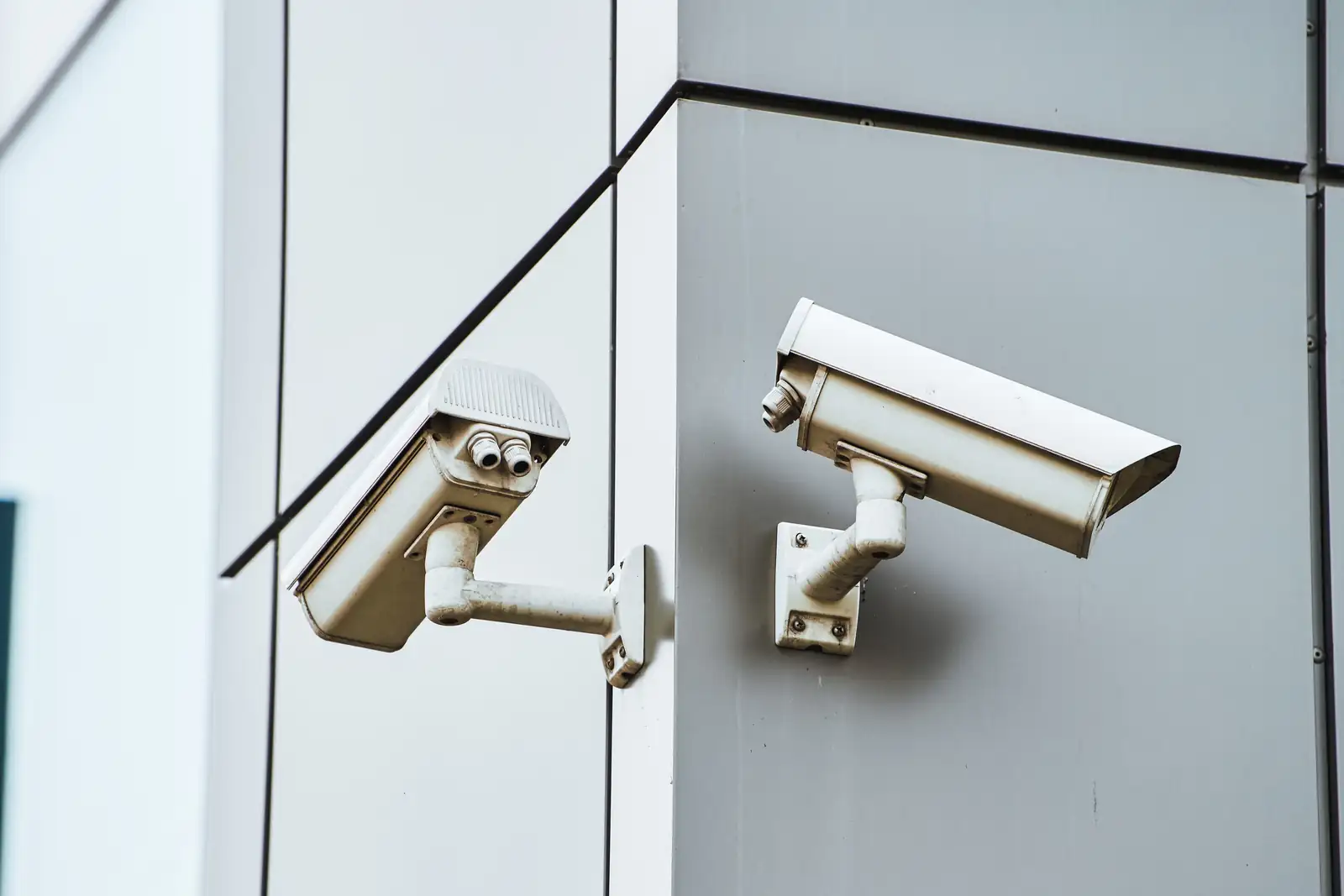
Choose the intercom by who answers it and where: a house needs a video station that reaches the people inside, while a building with many tenants needs a directory panel tied to each unit. For a gate, the deciding factors are the distance to the house and whether the gate opener already has a control input.
Key points
- Start with who answers and what opens: a screen, a phone, a desk, a lock or a gate.
- Single-home video intercoms and multi-tenant panels are different products.
- A gate intercom needs a working gate operator with a control input.
- Network or cable runs are low-voltage work and should be planned before walls close.
- Cold winters and sun exposure affect where the outdoor station goes.
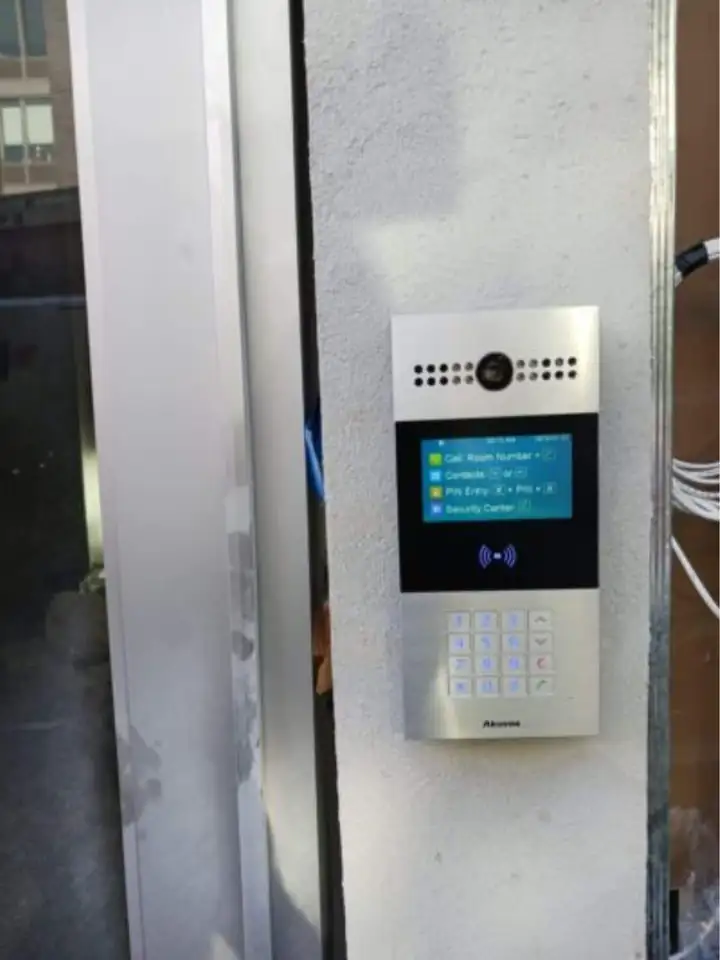
An intercom looks like a simple box until you ask what it has to do. Does it call a phone, a wall screen or a front desk? Does it open a door, a driveway gate, or both? Those answers pick the equipment for you.
Pick the use first
Write down three things before comparing models: who needs to see or talk to the visitor, what you want the button to open, and whether the person answering is inside the building. Everything else follows. A home with a gated drive has a different need than an apartment building or a two-suite office.
Our intercom installation work covers both ends: home video intercoms and apartment and office intercoms. The page you land on usually matches your use.
Home, gate, tenant or office
The same word, intercom, covers very different setups. This table is a general guide to what each tends to need.
| Setting | What answers | What it can open | Things to plan |
|---|---|---|---|
| House front door | Wall screen or phone app | Door strike or smart lock | Cable or network to the door |
| Driveway gate | Indoor station or phone | Gate operator input | Distance, power at the post, gate operator type |
| Apartment or condo | Panel with a directory | Entry door, sometimes a gate | One station per unit, controller, network |
| Small office | Front-desk phone or screen | Entry door | Where the person sits, hours, after-hours routing |
Audio only, or video too
Audio-only is the plainest option and works well at an inside door where you can see who is there. Video adds the picture, which matters at a gate or any entrance you cannot see from the answering spot.
If you are weighing a doorbell camera instead, the two overlap. We install video doorbells as well, and a hardwired intercom is a better fit when you want a real wall station, door release or a connection to other systems.
Gates need extra checking
A gate intercom does not move the gate by itself. It signals the gate operator, so the operator needs a place to receive that signal, and the run from the house to the gate post has to be planned. Long runs affect how the cable is chosen, and we look at the actual distance rather than assuming one.
Mounting height, glare and winter weather matter at the post. A station that faces the afternoon sun is hard to read, and snow or ice buildup near a keypad is a nuisance in the Sierra foothills. Placement that works in July can annoy you in January.
Wired or app-based
Apps are convenient, and many home systems let you answer from your phone. The trade-off is that they depend on your internet connection, so the best setups still ring somewhere inside the building when the network is slow.
Good network or cable work behind the intercom helps whichever way you go. Intercom jobs often pair with the data cable runs described on our network and data cabling page. That wiring is low-voltage work, which Nevada's C-2d class covers under NAC 624.200, and our Contractors Board license 0042143 includes it.
Planning checklist
- Decide what the button opens: door, gate, or both.
- Mark where the answering stations will go inside.
- Measure the distance from the answering spot to the entrance.
- Note the gate operator make and model if you have one.
- Ask for a free on-site consultation so we can confirm cable paths and mounting spots.
Sources (2)
- law.cornell.edu: law.cornell.edu/regulations/nevada/NAC-624-200 (checked November 2026)
- Nevada State Contractors Board: app.nvcontractorsboard.com/Clients/NVSCB/Public/ContractorLicenseSearch/ContractorLicenseS (checked November 2026)