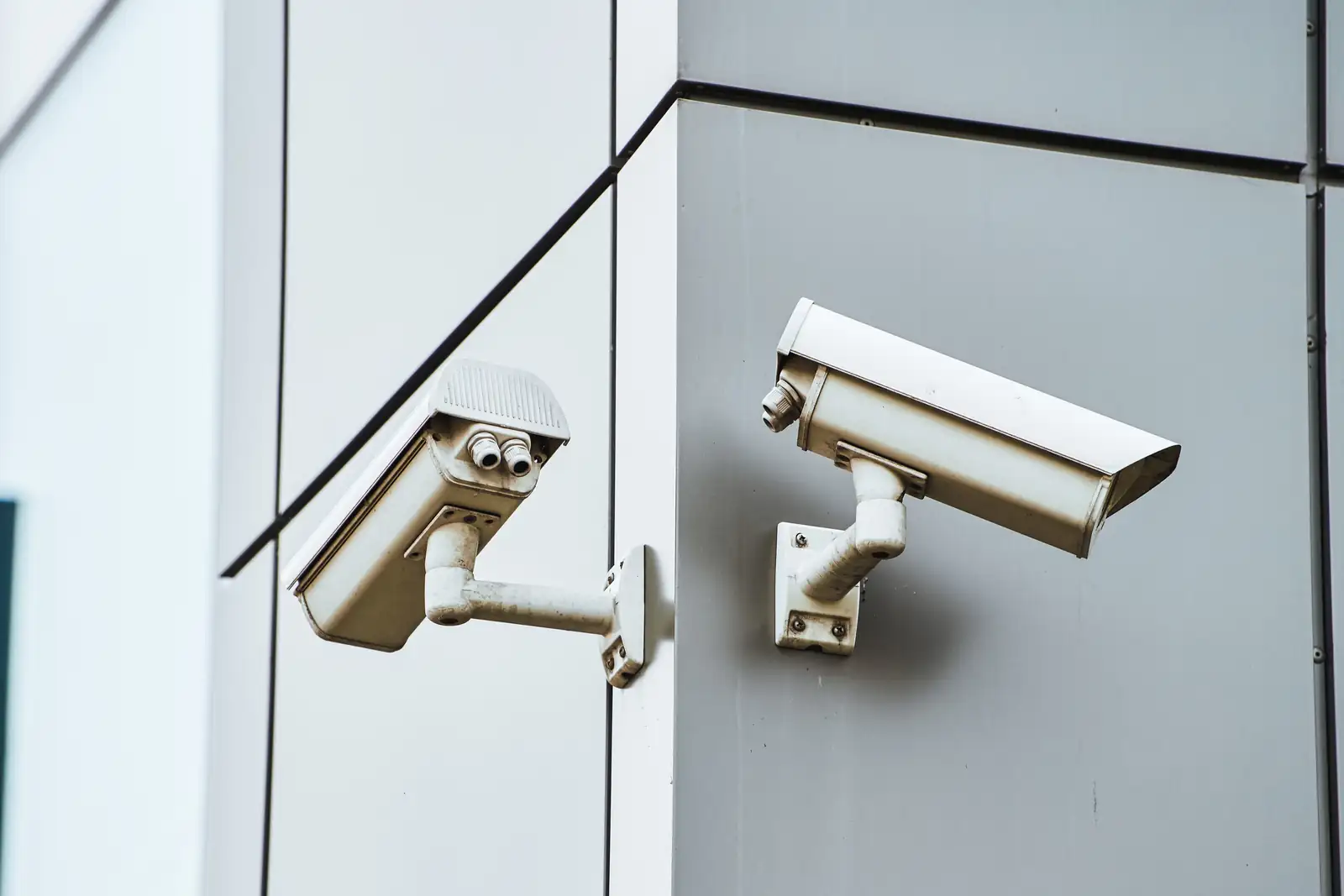
A small business is ready for access control when keys are hard to track, staff change often or you want a record of who entered and when. Start with your most important doors and a simple way to add and remove people, then grow from there.
Key points
- Good candidates: lost keys, staff turnover, sensitive rooms, early deliveries.
- Choose credentials (card, fob, keypad code or phone) based on how people actually work.
- A log of entries is as useful as the lock itself.
- Begin with the exterior doors and any room that needs extra control.
- Low-voltage reader and door-hardware wiring is part of our licensed work.
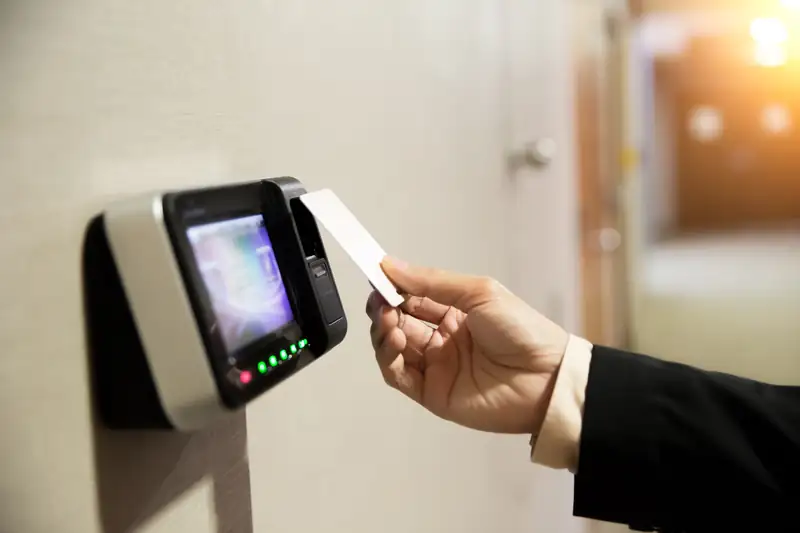
Most small businesses begin with a pile of keys and a memory of who has which one. Access control replaces that with credentials that can be turned off in a moment and a log you can read. You do not need a corporate-sized system to benefit.
Signs it is time
If you have ever re-keyed a building after someone left, you already know the cost of a key-based system. The same goes for a contractor who needs the warehouse door at 6 a.m. while you are not there. Access control lets you issue a credential, set when it works and turn it off with no locksmith.
The common reasons are no traditional keys, a record of who enters and exits, easier access for employees and the ability to revoke rights instantly. Those are the points that tend to matter for a small shop, office or warehouse.
Credentials in plain words
There are four common ways people open a door, and they can be mixed on one system. Our keypads, fobs and mobile access page covers each in more detail, and the two card types are compared in prox vs smart card readers. Brands we install on access control jobs include Keri, pdk, Bosch, Axis and Verkada, and we match the readers and controller to the doors you have.
- Cards or fobs: quick and familiar, easy to replace, but they can be lent or lost.
- Keypad codes: no hardware to hand out, but codes get shared.
- Phone credentials: nothing extra to carry, and the phone is already protected.
- Biometrics: tied to the person, usually reserved for a few sensitive doors. See biometric and cloud access.
Where to start
Do not try to do every door in the first pass. Protect the doors where a mistake costs the most: the main entry, a back or dock door, and any room holding records, cash, equipment or stock. Interior doors can follow once you see how the system works day to day.
The point many owners skip is the people side. Decide who adds and removes users before the system goes live. A great system with no owner becomes a list of out-of-date credentials.
Connect it to the rest of the building
Access control works better when it shares information with other systems. Our process includes integrating with video surveillance and alarm systems, so a door forced open can raise an alarm trigger, and a log entry can line up with a camera clip. That does not require a large system, only some planning at the start.
If you already have cameras or an alarm panel, tell us and we will check what can talk to what. A related read is our business alarm systems page.
What the install involves
A typical door has a reader, an electric lock or strike, a door contact and a request-to-exit device. These are low-voltage runs back to a controller. Nevada defines the C-2d Low Voltage class for systems that do not exceed 91 volts, and our Nevada State Contractors Board license 0042143 includes it; see the code language.
Plan a time when the door can be out of service, and a way for staff to get in while the lock is changed.
Business hours and risk
The FBI's 2025 national summary reports that burglary was most frequent between noon and 5:59 p.m. in NIBRS data. For a business, the lesson is practical rather than alarming: entry points are used all day, so a log and controlled doors help during the hours you are open and not only overnight.
Locally, Nevada Department of Public Safety figures show Reno Police recorded 870 burglaries in 2025, down 4.9% from 2024. The trend is good, and a door that logs every entry still tells you more than a key ever could. Our property crime data page has the figures for each agency we serve.
Sources (4)
- law.cornell.edu: law.cornell.edu/regulations/nevada/NAC-624-200 (checked November 2026)
- Nevada State Contractors Board: app.nvcontractorsboard.com/Clients/NVSCB/Public/ContractorLicenseSearch/ContractorLicenseS (checked November 2026)
- FBI Crime Data Explorer: cde.ucr.cjis.gov/LATEST/resources/reports/UCR_Summary_of_Reported_Crimes_in_the_Nation_202 (checked November 2026)
- nevadacrimestats.nv.gov: nevadacrimestats.nv.gov/tops (checked November 2026)