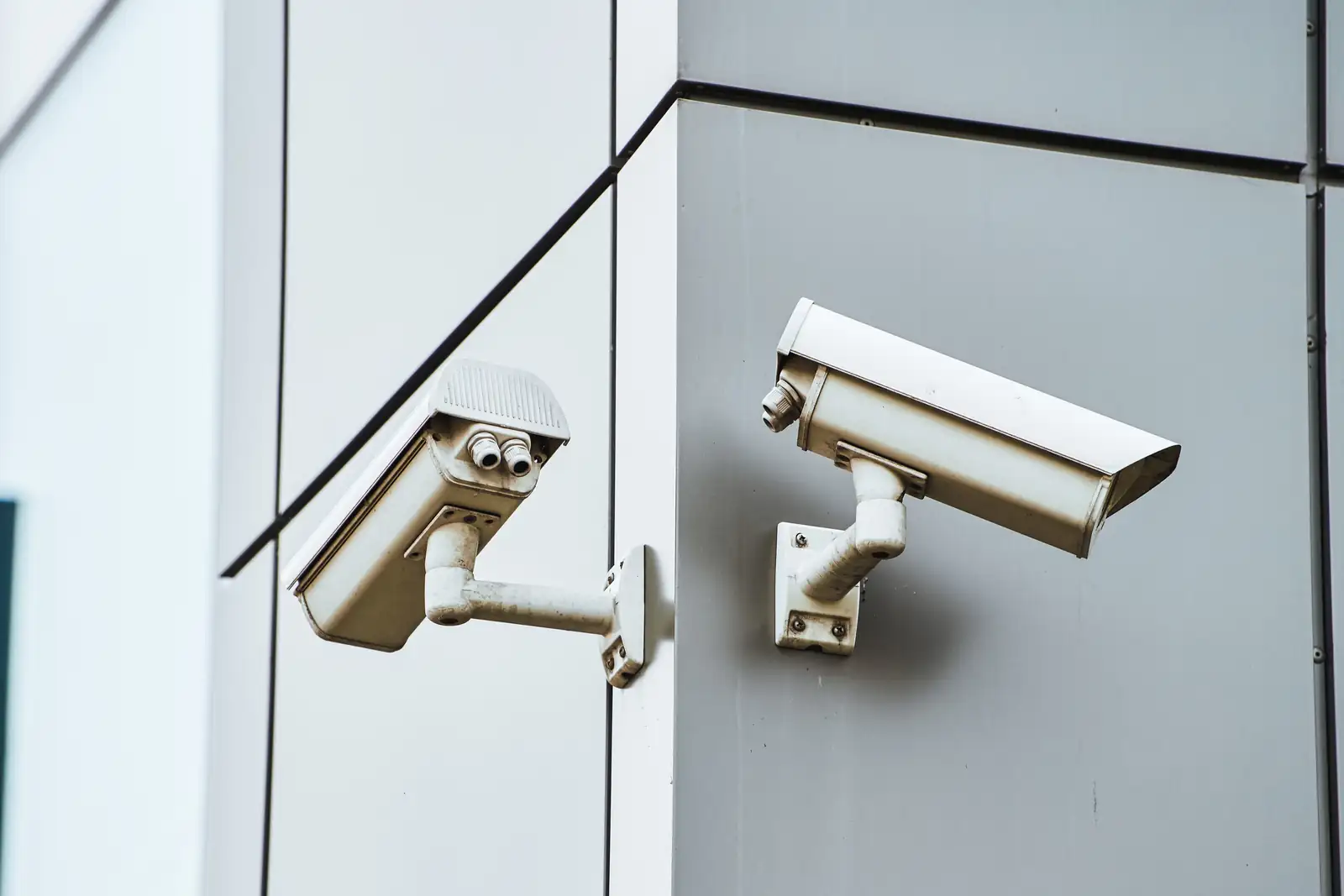
Self-monitoring sends alerts to your phone and leaves the next step to you, while professional monitoring has trained operators receive the signal, make the calls and dispatch help. Choose professional monitoring when nobody can always answer a phone, when you travel, or when you also want smoke or fire signals handled.
Key points
- Self-monitoring puts you in the middle of every alert; professional monitoring takes the first step for you.
- A monitoring center calls your contacts and, when warranted, police or fire.
- In Reno and Sparks, burglar alarms are expected to use verification calls before police dispatch.
- Insurers may discount monitored alarms; the Triple-I says to ask, because not every system qualifies.
- About 60% of burglars surveyed in a UNC Charlotte study said an alarm would make them look elsewhere.
- A hybrid works: monitoring for the alarm, phone alerts for cameras.

Many homes now have a device that texts you when a door opens. That is a real convenience, and for some households it is enough. The difference only shows on the day you are in a meeting, on a plane or asleep with your phone on silent. This guide lays out what each approach does, where each one runs out, and the local rules that apply to both.
What each one actually does
Both start the same way: a sensor trips and the panel reports. What happens next is the difference.
| Self-monitoring | Professional monitoring | |
|---|---|---|
| Who gets the signal | You, by app or text | A central station operator |
| Who decides what to do | You | The operator, following your instructions |
| If you do not answer | Nothing, until you see it | The operator moves down your contact list |
| Police dispatch | You call yourself | The center requests it, with verification where required |
| Fire and smoke signals | Alert only, unless set otherwise | Can be relayed to the fire department when your system is monitored for fire |
| Ongoing cost | Often none or a small app fee | A monthly service |
The cost row is a general pattern, not a quote. Monitoring is quoted with your system at the free on-site consultation.
Where self-monitoring runs out
The weak point is attention. A phone alert is easy to miss, and an alert about a break-in at 2 p.m. while you are driving does nothing unless you see it and know what to do. You also become the one who has to decide whether it is real, call police and give them the address.
Local rules make that harder. Our alarm response guide explains that Reno charges $131 for failing enhanced call verification and Sparks requires two calls before dispatch. Those programs are written with monitoring centers in mind, and the city pages are the place to confirm how a self-monitored system is treated.
What an alarm does for a burglar's decision
The University of North Carolina at Charlotte interviewed 422 incarcerated burglars. About 60 percent said they would look for another target if an alarm was present, about 83 percent tried to find out whether there was one first, and about half would leave if an alarm sounded mid-attempt, according to the university's summary. The study was funded by an alarm-industry foundation and surveyed offenders in three other states, so treat it as one useful data point, not a Nevada forecast.
The takeaway holds for both types: a visible, working system deters. The monitored version is the one that also gets help moving when you are not looking.
Insurance and monitoring
The Insurance Information Institute says a smoke detector, burglar alarm or deadbolts can earn a discount of at least 5 percent, and that discounts of as much as 15 or 20 percent are possible when sprinklers are combined with fire and burglar alarms that ring at a monitoring station, adding that not every system qualifies. Details live on its homeowners savings page.
We cannot promise a discount, and we do not know your insurer's rules. Ask your agent which kind of system they credit, and ask for the answer in writing before you decide.
A sensible way to choose
- Ask whether you or someone you trust can respond to an alert within minutes, every day, including nights and trips.
- If not, choose professional monitoring for the alarm and fire signals.
- Use phone alerts for cameras and doorbells as an extra layer, not a substitute.
- Check your city's alarm permit rules and register if required. Our Reno guide and guide for nearby towns list them.
- Ask the company for the monitoring terms in writing, including how long the agreement runs.
We start with a free on-site consultation, and you can see how our home alarm monitoring works before you commit.
Sources (3)
- inside.charlotte.edu: inside.charlotte.edu/news-features/2013-05-15/through-eyes-burglar-study-provides-insights (checked November 2026)
- iii.org: iii.org/article/12-ways-to-lower-your-homeowners-insurance-costs (checked November 2026)
- faraonline.org: faraonline.org/wp-content/uploads/2024/03/Enhanced-Call-Verification.pdf (checked November 2026)