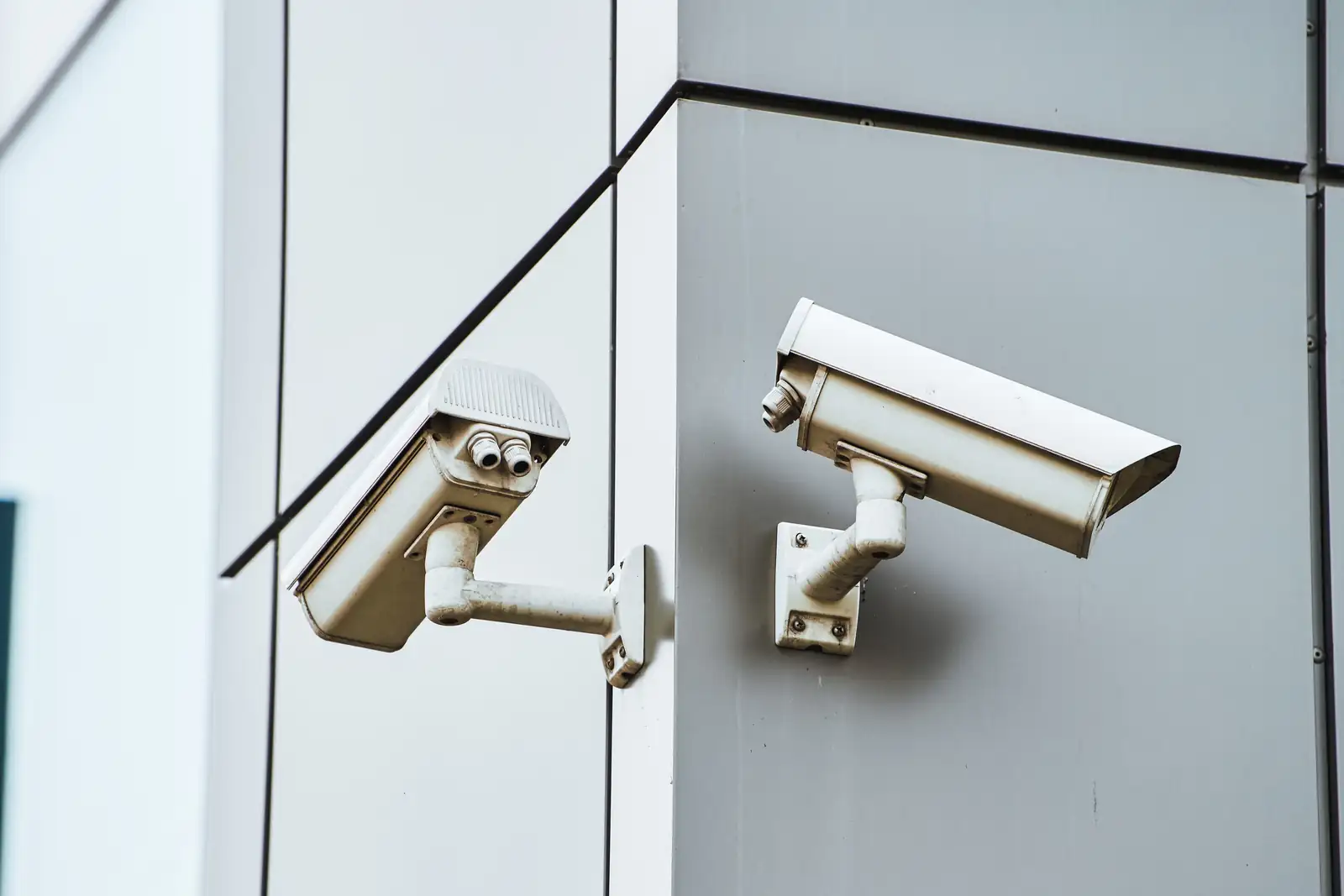
When a monitored burglar alarm trips, the panel sounds locally and sends a signal to the central station, where an operator calls you and your contacts before police are requested where local rules call for verification. Fire and panic signals follow shorter paths.
Key points
- The panel sounds the siren and sends the signal after any entry delay.
- Where verification is required, as in Sparks, the center makes at least two calls on a burglar signal before requesting police.
- Sparks describes those calls as usually taking 60 to 90 seconds.
- Fire, robbery and panic signals are not part of that verification step.
- A false alarm costs $98 in Reno for an intrusion alarm.
- Do not go into a building where an alarm has sounded; let officers clear it.
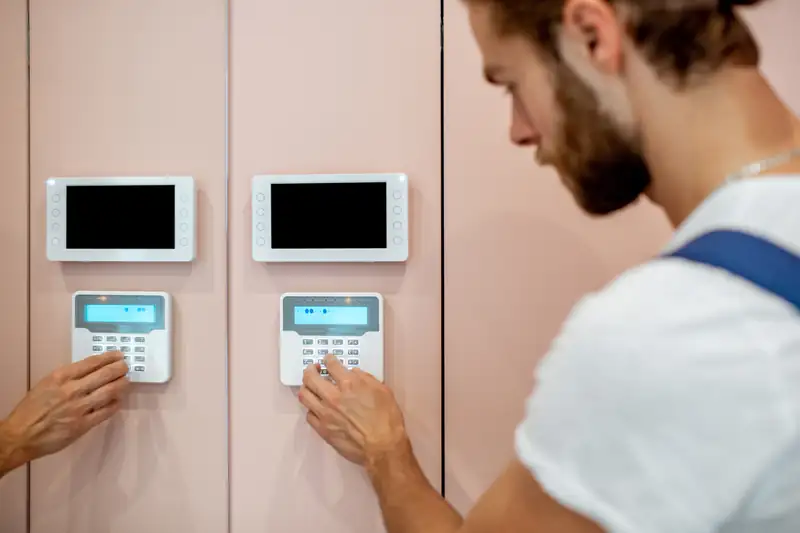
Most people never see the chain of events behind an alarm until the day it happens. Knowing the sequence helps in two ways: you know what to do in the first minute, and you can see why details such as a current call list matter. Here is the path of a signal, in order.
Step 1: the trigger
A door contact opens, a motion detector sees movement or a glass-break sensor hears a break. If the system is armed, the panel starts the clock on its entry delay, which is the short window that lets you reach the keypad and enter your code. If nobody does, the siren sounds and the panel sends the event through its communicator by phone line, internet or cellular.
Step 2: the central station
The signal arrives at the monitoring center and appears in front of an operator with your account details. Our central station is UL-listed and staffed by highly trained operators, who dispatch the right emergency personnel to your address. Our UL-listed station guide explains what the listing covers.
For burglar alarms, the operator then calls the premises and the responsible people on your list. A good account has a current list, in the right order, with phone numbers that are answered.
Step 3: verification before police
Enhanced call verification means the center makes two calls to responsible parties before it requests police, and it applies to burglar signals, not fire, medical or panic. The False Alarm Reduction Association describes it in a summary of enhanced call verification, and local rules put it to use.
The City of Sparks says it requires at least two calls before police are dispatched and usually takes 60 to 90 seconds, per the Sparks alarm page. Reno charges a $131 enhanced call verification failure fee, under the city's FY26/27 schedule.
Step 4: dispatch, or cancel
If someone answers and gives the passcode, the operator logs a cancel. If nobody answers, or the caller sounds in distress, or the signal is a panic or fire alarm, the center asks police or the fire department to respond and keeps trying your contacts. Verification applies to burglar signals only, so fire signals are handled without it.
The ANSI/TMA-AVS-01 alarm validation standard scores alarms on five levels, from no call for service to a confirmed threat to life, to help centers and responders decide. See TMA's page for the levels.
What to do yourself
- If you are inside and it is a mistake, enter your code and answer the center's call with your passcode.
- If you come home to a sounding alarm or an open door, stay outside and call 911 from a safe place.
- If you hear the siren from another room and are unsure, do not investigate alone. Let the center call.
- Afterward, ask for the event log and look for a pattern. A repeat sensor trip is a service call, and our false alarm guide helps with that.
What it can cost
Reno's fiscal year 2026/27 schedule lists $98 for a false intrusion alarm and $265 for a false robbery, duress or panic alarm, and a permit can be suspended after three or more burglar false alarms in a permit year. Sparks says the permit is $25 a year and does not post incident fees. Neither city lists a free false alarm. Our Reno permit guide and nearby towns guide have the rest.
Sources (4)
- sparksnv.gov: sparksnv.gov/police/i_want_to/obtain_alarm_ordinance_information.php (checked November 2026)
- City of Reno: reno.gov/Documents/Police/Bureaus/Support%20Services%20Bureau/Records%20Section/PDOnlyAdop (checked November 2026)
- faraonline.org: faraonline.org/wp-content/uploads/2024/03/Enhanced-Call-Verification.pdf (checked November 2026)
- tma.us: tma.us/tma-avs-01-for-eccs/ (checked November 2026)