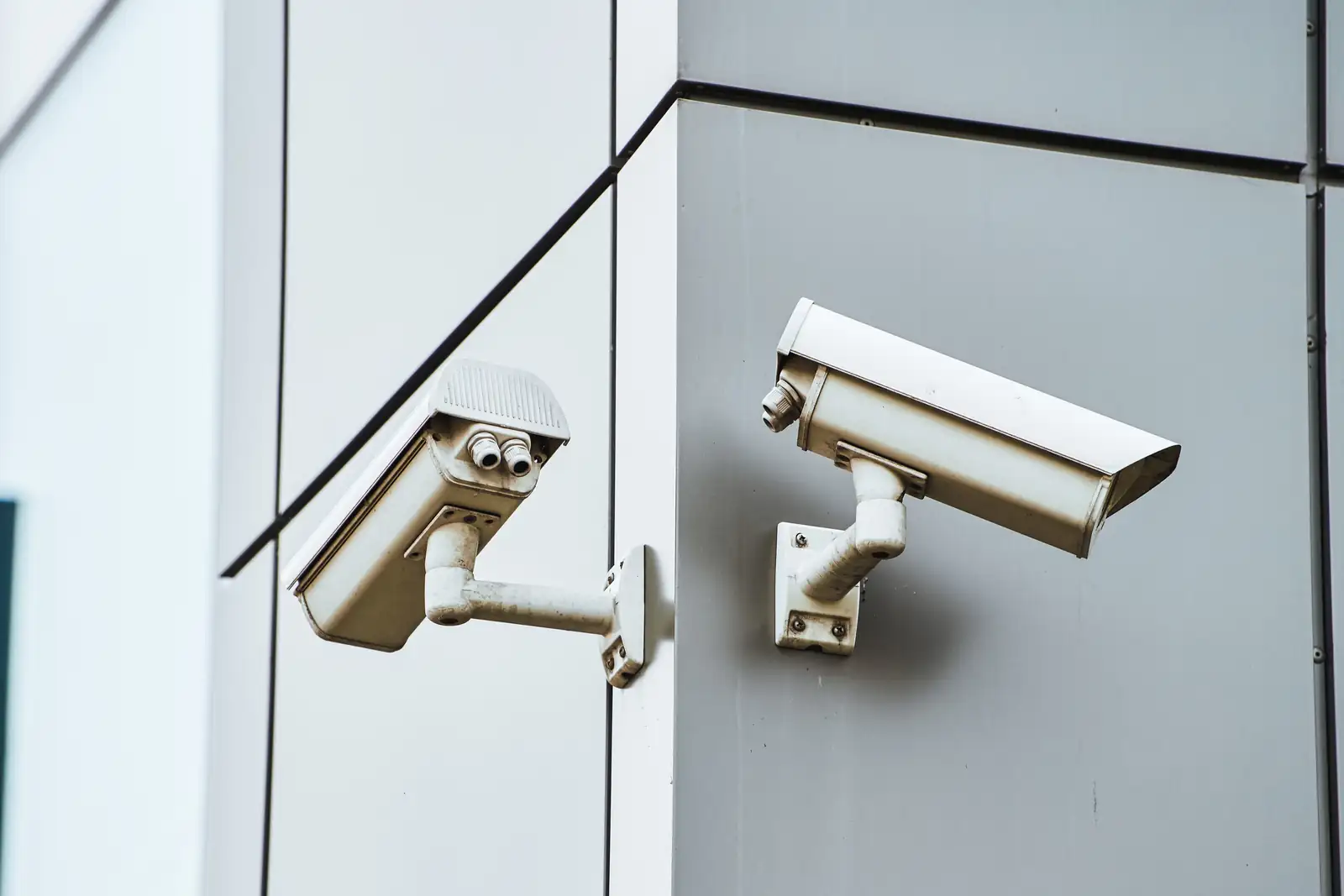
In Nevada, video of your own property is generally fine, but video of private areas where someone expects privacy, and recording conversations without proper consent, can be a crime. Audio is where most camera owners get into trouble, so turn it off unless you have a clear reason and legal footing.
Key points
- NRS 200.604 makes it a crime to capture images of a person's intimate areas without consent where they expect privacy.
- Recording phone calls can require consent from all parties under NRS 200.620.
- Recording in-person conversations falls under NRS 200.650, which allows one-party consent.
- Willful violations of 200.620 to 200.650 are a category D felony under NRS 200.690.
- We found no Nevada statute requiring camera signage; HOA rules may apply.
We install cameras, we are not lawyers, and nothing on this page is legal advice. What we can do is point you to the statutes that matter and explain how they commonly affect where cameras go and whether you should record sound. Read the primary text on the Nevada Legislature's website and ask an attorney about your own case.
Video of private areas: NRS 200.604
NRS 200.604 says a person shall not "knowingly and intentionally capture an image of the private area of another person" without consent and under circumstances in which the person has a reasonable expectation of privacy. The statute defines the private area as the naked or undergarment-clad genitals, pubic area, buttocks or female breast, so it is about intimate images of people, not about a yard or a driveway. A first offense is a gross misdemeanor and a later one is a category E felony. Read the official text of NRS 200.604 on the Nevada Legislature's site.
Because the statute protects people where they might undress, the practical rule is easy: point cameras at your own entrances, driveway and yard, not into a neighbor's windows, and never into a bathroom or a bedroom that is not yours. This is the same rule we follow when choosing mounting spots, as described in our guide to where to put security cameras.
Sound is the risky part: NRS 200.620 and 200.650
Many cameras have a microphone. That changes the legal picture, because recording sound is treated differently from recording video.
NRS 200.620 makes it unlawful to intercept a wire communication, such as a phone call, unless one of the parties consented and an emergency makes a court order impractical. The Nevada Supreme Court, in Lane v. Allstate Insurance Co., 114 Nev. 1176, 969 P.2d 938 (1998), read that statute to prohibit taping telephone conversations with the consent of only one party, which means phone calls effectively need all-party consent. The court restated that reading in Ditech Financial v. Buckles (2017). NRS 200.650 covers in-person private conversations and bars secretly listening to or recording them by a device unless one of the people in the conversation authorizes it.
That split is why audio is the careful area. A camera picking up a phone call, or a private talk between people who do not know about it, is where owners get into trouble. If you do not need sound, disable the microphone.
The penalties
NRS 200.690 says that willfully violating NRS 200.620 through 200.650 is a category D felony and allows civil damages of actual or liquidated amounts of $100 a day, with a minimum of $1,000, plus punitive damages and attorney fees. The numbers matter less than the lesson: audio recording is not worth the risk without good reason.
Opinions on specific cases belong to an attorney. If you are not sure about a camera that records sound, ask an attorney before you turn the microphone on.
What we did not find
- No Nevada statute that requires a sign telling visitors cameras are in use. Signs are still a good idea, but we will not call them a legal requirement.
- No Nevada statute written specifically for homeowners' security cameras. The general privacy and recording statutes above apply.
- No statute we found on how long to keep footage; see our guide on how long to keep camera footage for practical advice.
HOAs, landlords and shared spaces
If you live in an HOA, the CC&Rs usually decide whether and where you can mount a camera. Nevada's NRS 116.31065 requires association rules to be reasonable and clear, and there is no statute we found dealing specifically with homeowner cameras. Get the rules in writing before you buy.
For rentals and apartments, shared hallways and neighbors' doors need extra care. Our pages for property managers and apartments and HOAs describe the systems we install in those settings.
A short checklist
- Confirm your HOA or lease rules before mounting a camera.
- Aim each lens at your own property and keep it off private areas.
- Turn off microphones unless you have a clear need and have checked the law.
- Tell people who regularly visit, such as a house cleaner or a babysitter, that cameras are in use.
- Keep recorder access limited and the password strong.
- When in doubt, ask an attorney.
Sources (4)
- Nevada Legislature: leg.state.nv.us/NRS/NRS-200.html#NRS200Sec604 (checked November 2026)
- caselaw.findlaw.com: caselaw.findlaw.com/court/nv-supreme-court/1874143.html (checked November 2026)
- rcfp.org: rcfp.org/reporters-recording-guide/nevada/ (checked November 2026)
- Nevada Legislature: leg.state.nv.us/NRS/NRS-116.html (checked November 2026)